Mastering
taste
Creating a drink goes beyond following a recipe. It means understanding the ingredients, anticipating how they will react and knowing how far to intervene without compromising their balance.
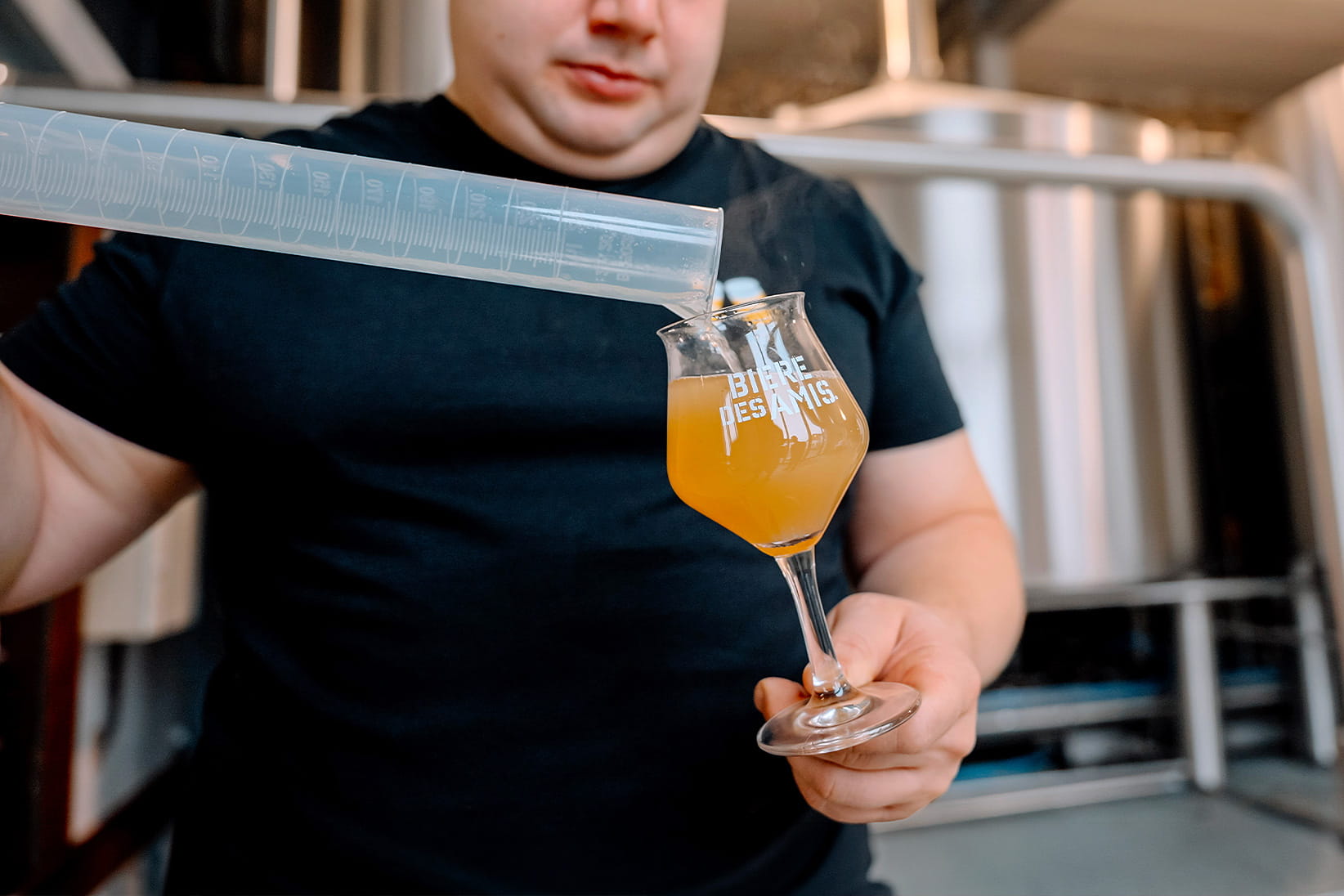
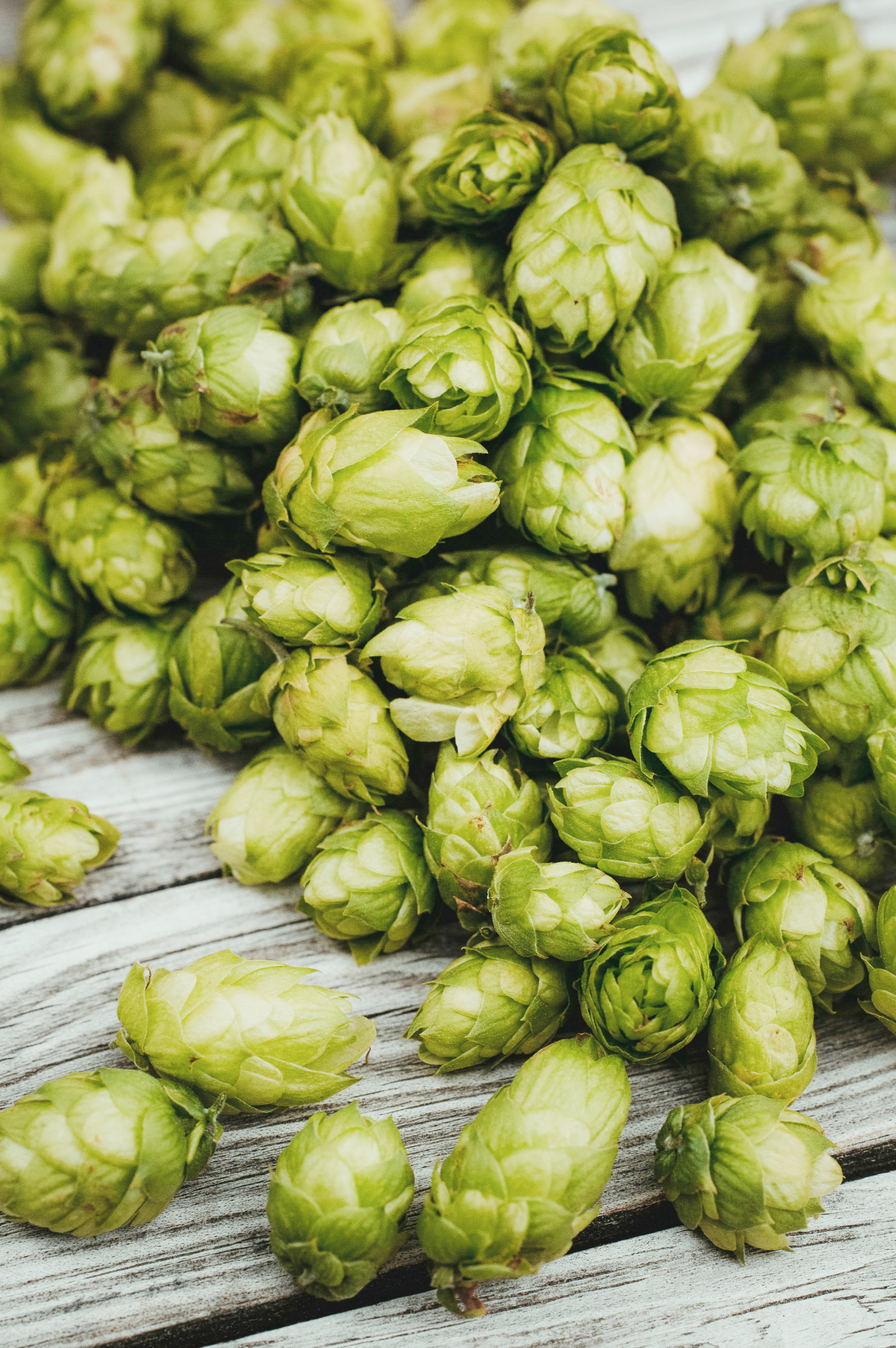
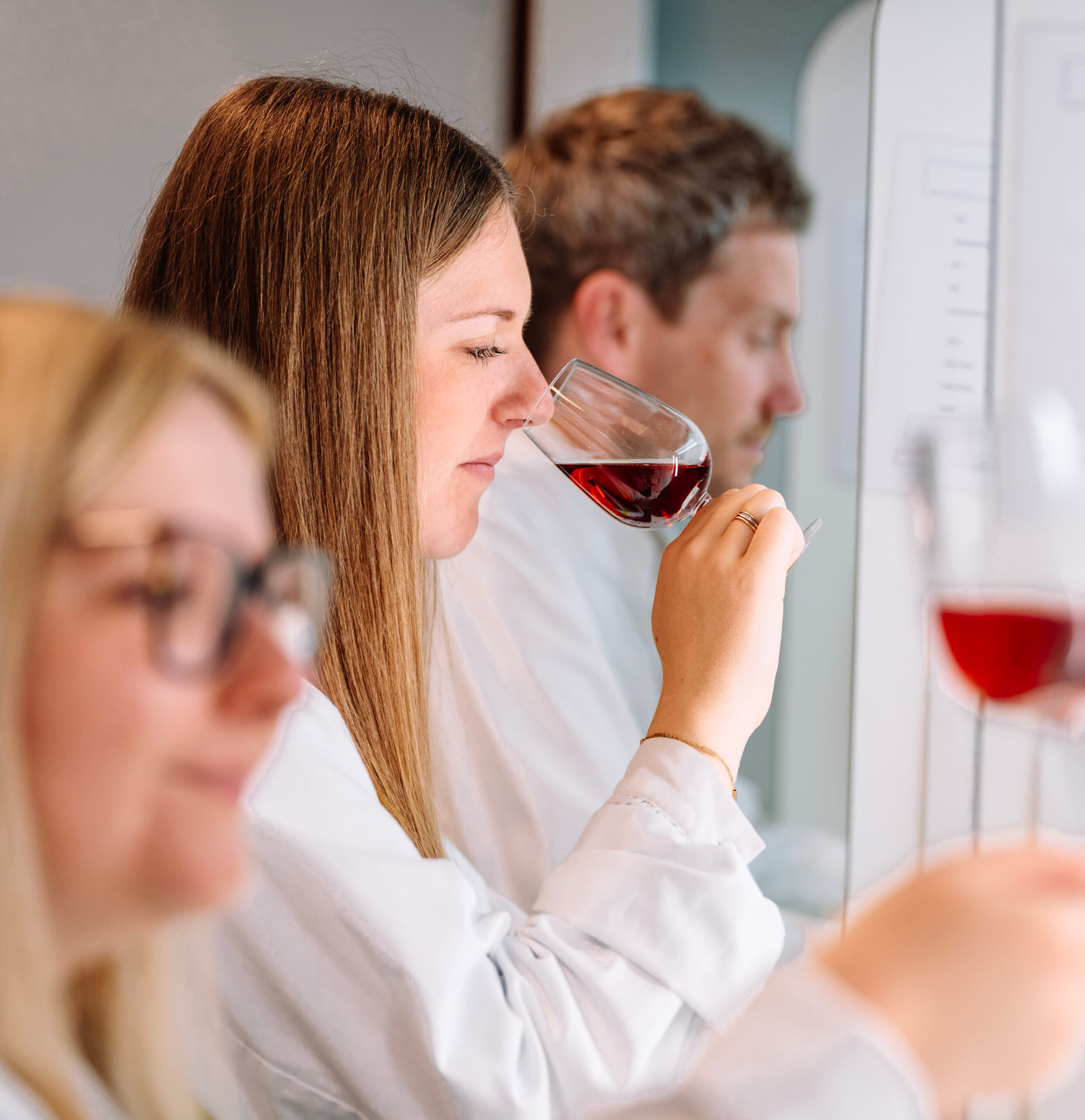
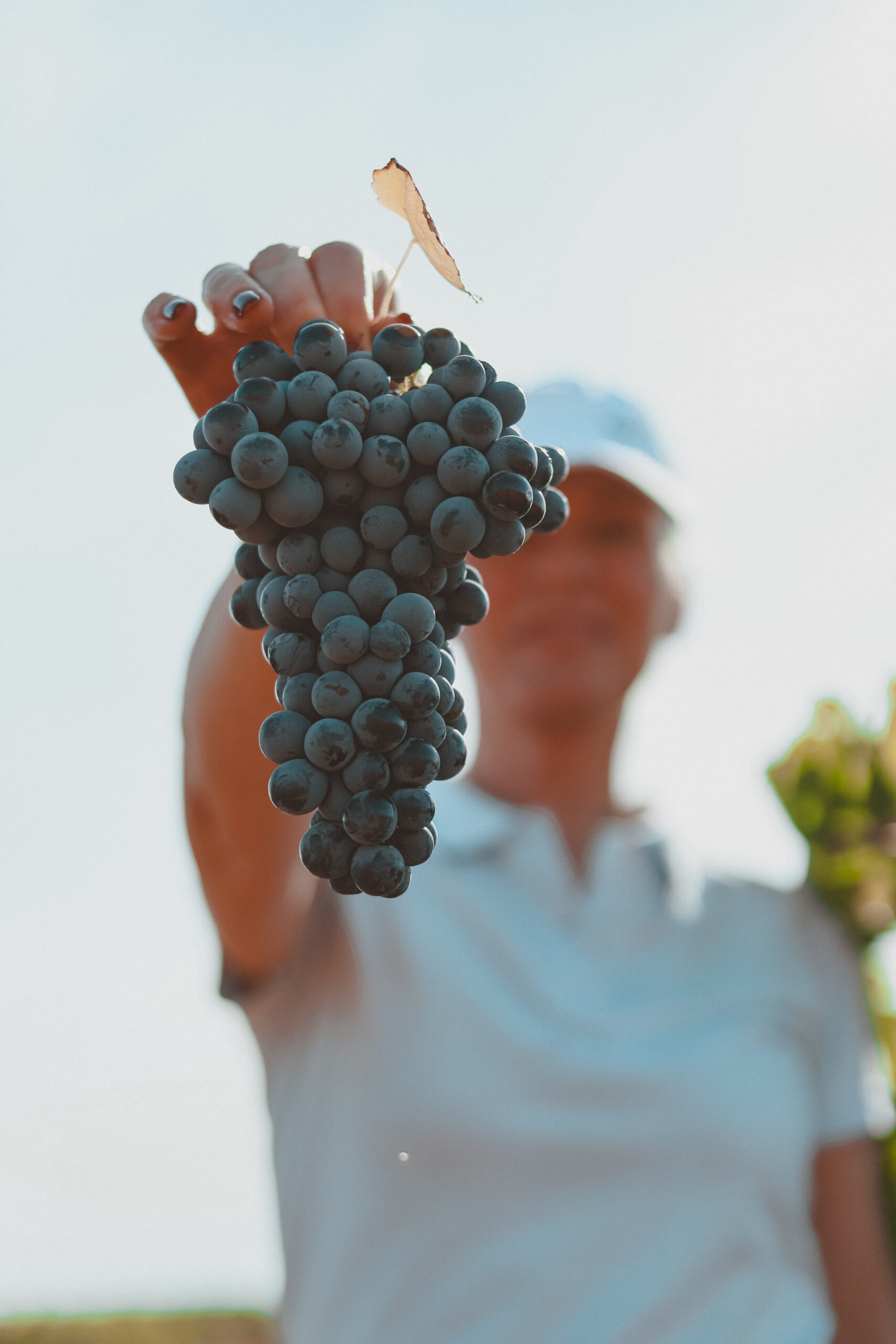
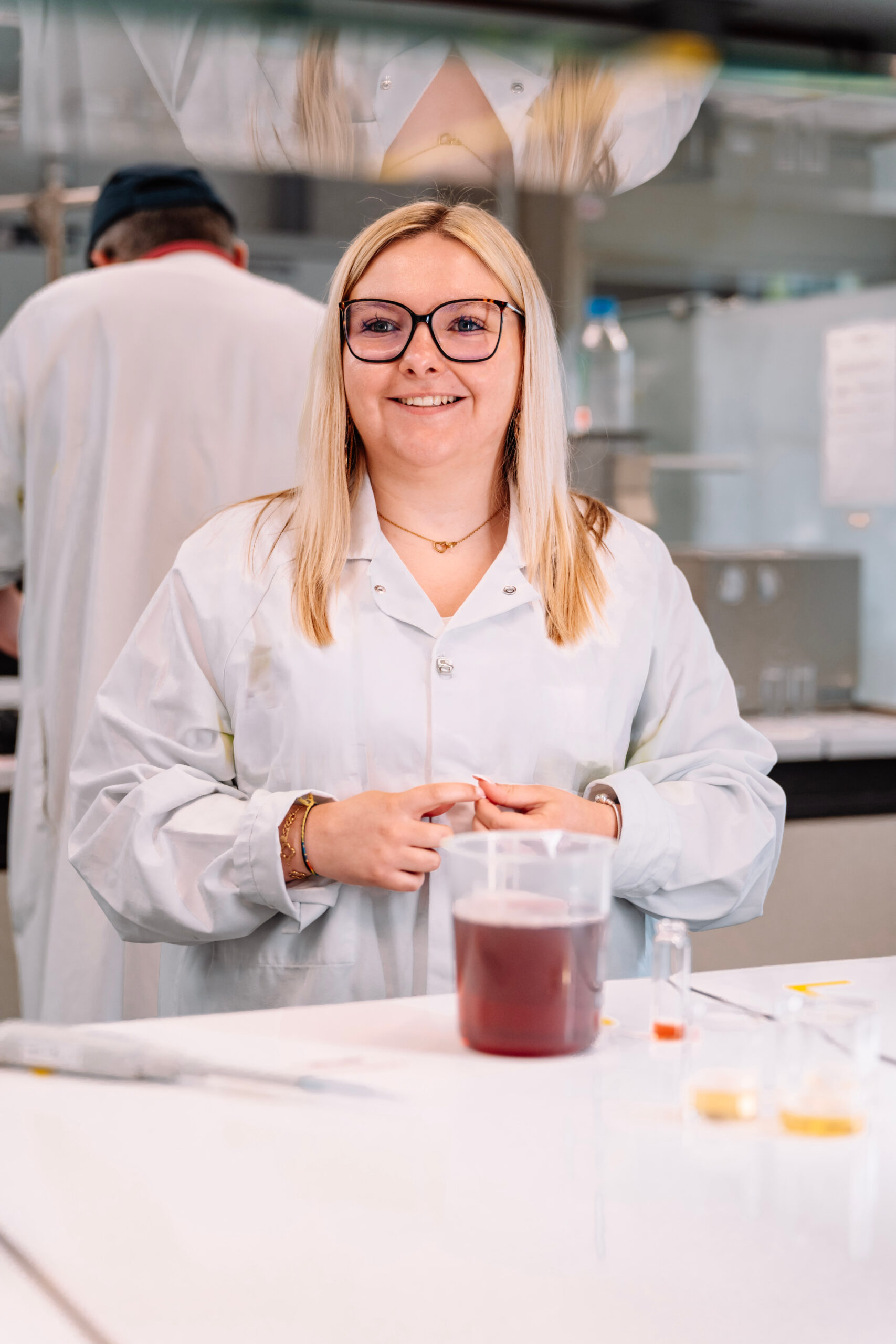
Creating a well-balanced drink means mastering every step: selecting the raw materials, blending, technical processes and tasting. At Maison 1895, this approach is built around three complementary areas of expertise: balance, technical mastery and market understanding.
Mastering balance
The quality of a drink depends on a precise balance between acidity, bitterness, structure, aromatic intensity and length on the palate. This balance is built through tasting, trials and adjustments. It is the foundation for everything else.

Ferment, blend, refine
Cider, wine, beer: every drink has its own balance. Our understanding of fermentation, blending and aromatic profiles allows us to refine each product until the desired result is achieved.
Think about the drinking occasion
An aperitif, a meal or a festive occasion do not call for the same profiles. Each product is developed with the drinking occasion in mind, from how it will be served to the expectations it needs to meet.
Select the right raw materials
Balance starts long before blending. Each raw material is selected for its qualities, the desired profile and the role it plays in the final balance.
A demanding technical challenge
Removing alcohol from wine is not simply a matter of taking out one ingredient. Alcohol contributes to its structure, balance and aromatic expression. Dealcoholisation therefore requires control of the process, but also careful consideration of the wine beforehand to preserve its profile as effectively as possible.

Vacuum dealcoholisation at low temperature
Vacuum dealcoholisation lowers the temperature required for alcohol to evaporate. The process is carried out at low temperature, up to a maximum of 45°C, to limit thermal impact and preserve the wine’s aromatic profile as effectively as possible.
It all starts with the base wine
Dealcoholisation cannot turn a mediocre wine into a good alcohol-free wine. Choosing the right base wine is crucial: acidity, structure and aromatic profile are assessed according to how they are expected to behave after dealcoholisation.
Analyse, test, refine
Product development is managed in-house and relies on a continuous process of trials, tastings and adjustments. Each step allows us to compare profiles and refine the product until the desired balance is achieved.
Getting the positioning right, early
Creating a good product is not enough. You also need to understand where it belongs. Observing markets, identifying emerging expectations and testing ideas against real-world conditions help us decide which opportunities to explore — and how to turn them into relevant products and brands.

Choose where to play
Not every opportunity should become a product. Category, target audience, drinking occasion, distribution channel and market potential are analysed to identify the territories where a brand can genuinely earn its place.
Observe how people drink
Expectations evolve across markets, generations and occasions. Retail, Horeca and export: insights from the field and conversations with our partners help us identify the changes that matter and adapt our approach accordingly.
Build for the long term
A trend does not necessarily make a market. We focus on developments with the potential to last, testing our intuitions against data, market feedback and the experience of our teams.
Expertise to share.
From product to market, our expertise supports every stage in developing drinks that are relevant and right for their moment.
Contact us